


A VIN code is a vehicle’s 17-character unique identification number that allows you to perform a VIN check and discover the car’s real history. When buying a used car, it is one of the most important tools because it helps you make an informed decision instead of relying on assumptions.
What is a VIN Code?
The VIN code (Vehicle Identification Number) is assigned to a car during manufacturing and remains the same throughout the vehicle’s entire lifetime. It can be compared to a personal identification number for the car – the registration number can change, but the VIN cannot.
Why Is the VIN Code Important?
With a VIN code you can:
- check the vehicle’s history;
- identify hidden damage;
- detect odometer fraud;
- avoid buying a stolen vehicle or one with legal issues.
Buying a car without checking it is essentially like buying a vehicle “blind.” Even at Morecar, there have been situations where a car that initially looked attractively priced was not purchased because the VIN check revealed information that did not meet our quality standards. Long-term trust and transparency are more important than a quick deal.

What Does a VIN Code Mean? VIN Structure
A VIN code is a 17-character identification number where each part has a specific meaning—it is not a random combination.
- Characters 1–3: indicate the country of manufacture, the car manufacturer, and the vehicle type.
- Characters 4–9: describe the model, body type, engine, and equipment.
- Characters 10–17: contain the production year, factory, and unique serial number.
Together, these elements create a unique identifier for every vehicle.
Where to Find the VIN Code on a Car?
The vehicle identification number is placed in several locations so it can be verified and compared. The most common places include:
- the registration certificate;
- the left corner of the dashboard under the windshield;
- the driver’s door pillar or door frame;
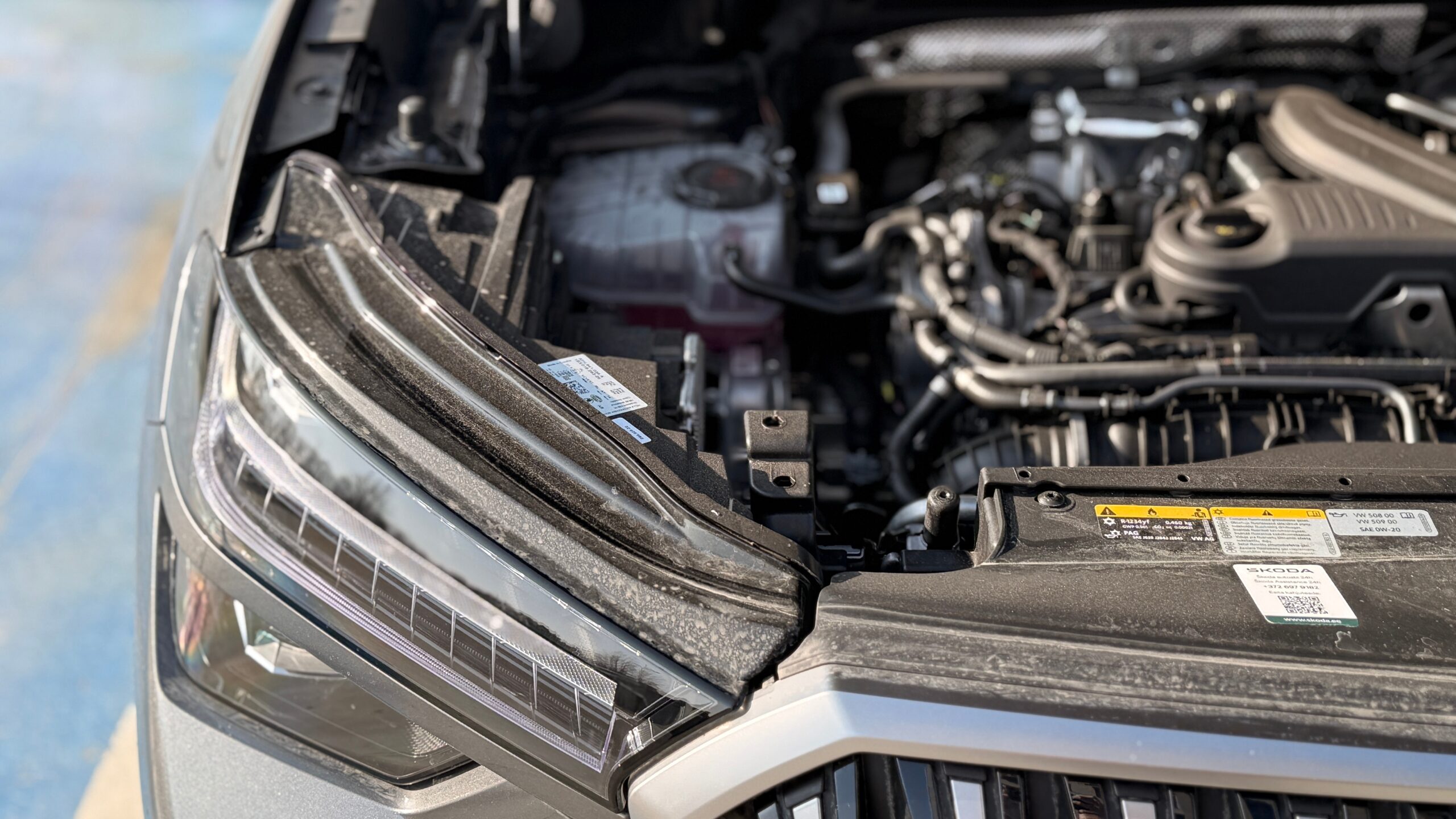
- the engine bay;
- in some vehicles, also the trunk.
IMPORTANT: the VIN must be identical in all locations. If the codes do not match, it is a clear warning sign and may indicate a previous accident, parts replacement, or an attempt to hide the vehicle’s history.

What Can You Check Using a VIN Code?
The VIN code is a gateway to a vehicle’s past. The more thorough the VIN check, the better overview the buyer gets. Below are some of the most important details a VIN check can reveal.
| Information Checked | What It Shows | Why It Matters for the Buyer |
| Mileage history | Recorded mileage at different times | Helps detect odometer rollback |
| Accident and damage history | Previous accidents and damage | Prevents buying a heavily damaged car |
| Write-off status | Whether the car has been declared a total loss | Such vehicles may have hidden structural damage |
| Service history | Regular maintenance and repairs | Shows whether the car has been properly maintained |
| Number of owners | Number of previous owners | Frequent ownership changes may indicate issues |
| Usage type | Private, company, rental, or lease vehicle | Affects wear and vehicle value |
| Previous registrations | Countries where the vehicle was registered | Helps assess market-related risks |
| Legal status | Possible theft records or restrictions | Protects the buyer from legal problems |
A VIN check can reveal possible odometer tampering, show previous accidents and damage, and confirm whether the vehicle has been written off. It can also provide information about service history, number of owners, and type of use—whether the vehicle was privately owned, used by a company, or part of a rental fleet.
You can also see in which countries the car has been previously registered and whether it is an imported vehicle.
Even when buying a lease return vehicle, it is advisable to check the VIN. It confirms service records and helps rule out major risks, allowing you to make the purchase decision with greater confidence.

How to Perform a VIN Check?
There are several ways to perform a VIN check:
- national registries;
- international databases;
- authorized brand dealerships;
- background checks provided by the seller.
For buyers, the most convenient and safest option is to choose a seller who:
- sells only vehicles with verified histories;
- performs VIN checks before selling;
- shares all information transparently.
Why Choose a Car with Verified History?
A vehicle with verified history means that:
- the VIN code has been checked in advance;
- potential risks have been assessed and minimized;
- the buyer does not need to review multiple sources themselves.
This saves time, money, and stress and makes the car-buying process significantly more secure.
Make a Confident Choice with Morecar
If you want to buy a used vehicle with a transparent history and minimized risks, it is worth choosing a seller who performs a VIN check before the sale. At Morecar, the background of all vehicles is checked in advance and the VIN code is verified.
Explore Morecar’s selection of verified low-mileage used cars and find a vehicle that gives you confidence for every kilometer.
FAQ: Frequently Asked Questions About VIN Codes
What is a VIN code?
A VIN code (Vehicle Identification Number) is a 17-character combination of letters and numbers that is unique to each vehicle. A car’s VIN code allows the vehicle to be uniquely identified and can be used to check the car’s history, origin, and technical specifications.
Does every car have a VIN code?
Yes, all modern vehicles have a VIN code. The use of VIN codes became an international standard starting in 1981. Older vehicles may have shorter codes or a different structure.
Where is the VIN code located on a car?
A vehicle’s VIN code can be found in several places:
- on the registration certificate;
- on the dashboard under the windshield;
- on the driver’s door pillar or door frame;
- in the engine bay.
The VIN code must be identical in all locations.
Can a VIN code be changed?
No. A VIN code is permanent and must not be altered. Changing or falsifying a VIN code is illegal. If the VIN code is damaged, removed, or does not match the documents, it is a serious warning sign.
What can you check using a car’s VIN code?
With a VIN code you can check, for example:
- mileage history;
- accident and damage history;
- service records;
- number of owners;
- previous registrations;
- the vehicle’s origin.
The more comprehensive the database, the more information a VIN check can reveal.
Does a VIN code show whether a car has been in an accident?
Often yes. Data linked to the VIN code may reveal previous traffic accidents, insurance claims, and the extent of damage. However, not all minor accidents are always recorded in databases.
Does the VIN code show the real mileage?
The VIN code itself does not directly “show” the mileage. However, historical records linked to the VIN allow mileage readings to be compared over time, which can help detect possible odometer rollback.
Is a VIN check free?
Some basic services and national registries allow free checks, but the most comprehensive information is usually available in paid databases. Many reputable sellers include a VIN check as part of the purchase process.
Can a VIN code help identify a stolen car?
Yes. A car’s VIN code is one of the main ways stolen vehicles and legal issues are identified. That is why a VIN check is important for legal safety as well.
Should you check the VIN code on a lease return vehicle?
Absolutely. Although lease return vehicles are often well maintained, a VIN check helps to:
- confirm service history;
- rule out major accidents;
- verify how the vehicle was used (e.g., rental vs. private use).
Does a VIN check replace a technical inspection?
No. A VIN check provides information about a car’s past, not its current technical condition. A VIN check should always be combined with a test drive and a technical inspection.
Why choose a seller who offers cars with a VIN check?
A seller who checks a vehicle’s VIN code before selling:
- reduces risks for the buyer;
- provides transparency;
- saves the buyer time and effort;
- increases trust in the entire purchasing process.